Hello this is test page
Keto diet Guide , what is keto diet , food for eat & etc.
What is keto diet ?
The ketogenic diet, commonly known as the keto diet, has gained significant popularity for its potential health benefits and its effectiveness in aiding weight loss. This dietary approach focuses on a fundamental shift in macronutrient consumption, significantly reducing carbohydrates while increasing the intake of healthy fats to induce a state known as ketosis in the body. Ketosis is a metabolic state in which the primary source of energy shifts from carbohydrates to fats.
In a standard Western diet, carbohydrates are the predominant energy source. When you consume carbohydrates, your body breaks them down into glucose, which serves as the body’s preferred fuel. Any excess glucose is stored as glycogen in the liver and muscles, or it is converted and stored as fat in adipose tissue.
The keto diet, however, adopts a distinct approach. It necessitates a substantial reduction in daily carbohydrate intake, typically to less than 50 grams per day, and sometimes as low as 20-30 grams for specific individuals. This sharp reduction in carbohydrates compels the body to seek an alternative energy source. In the absence of readily available glucose, the liver starts breaking down fats into molecules called ketones. These ketones are then utilized by the body and brain as an alternative energy source.
The primary components of a keto diet can be summarized as follows:
- High Fat: A significant portion, usually around 70-80% of your daily caloric intake, is derived from healthy fats. Sources of these fats include avocados, olive oil, coconut oil, nuts, and fatty cuts of meat.
- Moderate Protein: Protein intake typically accounts for about 15-20% of your daily calories and is sourced from meats, poultry, fish, and dairy products. It is crucial to avoid excessive protein consumption, as an excess can be converted into glucose, potentially hindering the state of ketosis.
- Low Carbohydrates: Carbohydrates constitute only about 5-10% of your daily caloric intake. This entails restricting or eliminating starchy foods, sugary items, grains, and most fruits.
The keto diet has garnered attention due to several potential benefits:
- Weight Loss: The low-carb, high-fat nature of the diet often leads to a reduced appetite and weight loss, as the body increasingly relies on stored fat for energy.
- Blood Sugar Control: Some individuals with type 2 diabetes have experienced improved blood sugar management through the keto diet, potentially reducing the need for medication.
- Enhanced Mental Clarity: Many adherents report heightened mental focus and clarity while in a state of ketosis.
- Steady Energy Levels: After adapting to ketosis, some individuals experience stable and sustained energy levels throughout the day.
- Improved Lipid Profile: The diet may enhance levels of HDL (“good”) cholesterol and reduce triglycerides, contributing to heart health.
- Epilepsy Management: The ketogenic diet has been employed for decades as a treatment for drug-resistant epilepsy, particularly in children.
While the keto diet offers various potential advantages, it is not a one-size-fits-all solution. It demands careful planning to ensure the right balance of essential nutrients. Additionally, individuals with specific medical conditions or those taking certain medications should consult a healthcare professional before embarking on a ketogenic diet. As with any dietary change, it is crucial to consider individual health needs and objectives.
What food can I (you) eat on keto?
Here are foods to eat on keto diet.
1.Avacado
Avocado, a versatile and nutrient-rich fruit, plays a prominent role in the ketogenic (keto) diet. With its high content of healthy fats and low carbohydrates, avocados are a perfect fit for this low-carb, high-fat dietary approach. Avocados provide a rich source of monounsaturated fats, which are not only satiating but also support ketosis, the metabolic state essential for the keto diet’s success.
These creamy green gems are also packed with fiber, vitamins, and minerals, making them a valuable addition to the keto plate. Avocado consumption can enhance feelings of fullness, aid in weight management, and contribute to stable blood sugar levels, all of which align with the keto diet’s principles.
For those following a keto lifestyle, avocados are a delicious and nutritious ingredient that can be used in various recipes, from salads to smoothies to guacamole, while helping to maintain ketosis and overall well-being.
2.Almonds
Almonds are a prized addition to the ketogenic (keto) diet due to their exceptional nutritional profile. Packed with healthy fats, protein, and fiber, almonds offer a satisfying and energy-boosting snack for those adhering to low-carb, high-fat dietary patterns. With minimal net carbs, they support ketosis, the metabolic state crucial for the keto diet’s success.
These crunchy, heart-healthy nuts are not only a source of healthy fats but also provide essential vitamins and minerals, including vitamin E, magnesium, and potassium. Almonds are known for their potential to improve heart health, reduce cravings, and help with weight management, making them a top choice for keto enthusiasts.
In the world of keto-friendly foods, almonds shine as a versatile and nutritious option. They can be enjoyed on their own, as almond butter, or crushed and used as a crunchy coating for various dishes. Almonds are a valuable asset to the keto lifestyle, promoting both health and culinary delight.
A Comprehensive Guide to Cholesterol: Foods that Lower Cholesterol, Reducing Cholesterol, Normal Levels, and More
Introduction
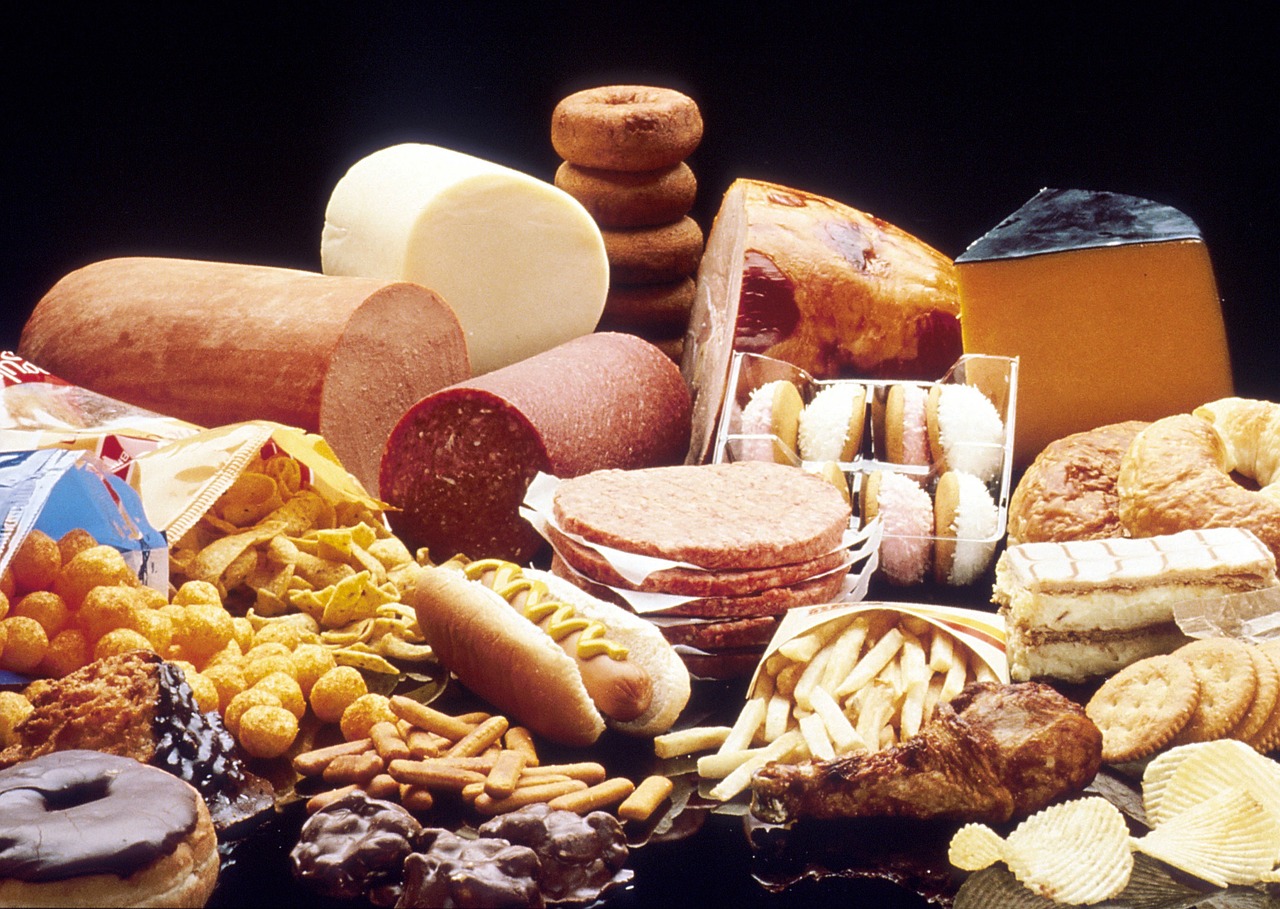
Cholesterol has become a buzzword in the world of health and nutrition. Many of us have heard about “good” and “bad” cholesterol, but understanding the intricacies of this essential substance is crucial for maintaining overall health. In this comprehensive guide, we will explore what cholesterol is, what constitutes normal cholesterol levels, how to reduce cholesterol, and which foods can help lower it.
What Is Cholesterol?
Cholesterol is a waxy, fat-like substance that is found in every cell of the human body. It plays a vital role in the structure of cell membranes, the production of hormones, and the synthesis of vitamin D. Cholesterol is transported in the blood in the form of lipoproteins, primarily low-density lipoprotein (LDL) and high-density lipoprotein (HDL).
LDL cholesterol, often referred to as “bad” cholesterol, can accumulate in the arteries, forming plaque. This buildup can restrict blood flow and increase the risk of heart disease and stroke. On the other hand, HDL cholesterol, often called “good” cholesterol, helps remove excess cholesterol from the bloodstream and transports it to the liver for excretion.
Normal Cholesterol Levels
To maintain good health, it is essential to understand what constitutes normal cholesterol levels. Cholesterol levels are typically measured in milligrams per deciliter (mg/dL) of blood. The ideal cholesterol levels can vary based on an individual’s risk factors and overall health, but here are the general guidelines:
1. Total Cholesterol:
A total cholesterol level below 200 mg/dL is considered optimal. Levels between 200 and 239 mg/dL are borderline high, and levels above 240 mg/dL are considered high.
2. LDL Cholesterol:
LDL cholesterol levels should ideally be below 100 mg/dL. Between 100 and 129 mg/dL is considered near-optimal, 130-159 mg/dL is borderline high, and 160 mg/dL and above is high.
3. HDL Cholesterol
: Higher levels of HDL cholesterol are better. An HDL level of 60 mg/dL or higher is considered protective against heart disease, while levels below 40 mg/dL are considered low and increase the risk.
4. Triglycerides:
Triglycerides are another type of fat found in the blood. A normal triglyceride level is less than 150 mg/dL.
Keep in mind that these values are general guidelines and may need to be adjusted based on your individual health profile, family history, and any pre-existing medical conditions.
How to Reduce Cholesterol
Lowering cholesterol levels, especially LDL cholesterol, is essential for reducing the risk of heart disease and maintaining good health. Here are several strategies to help reduce cholesterol:
1. Dietary Changes
: The food you eat has a significant impact on your cholesterol levels. Opt for a heart-healthy diet rich in fruits, vegetables, whole grains, and lean protein sources. Reduce saturated fats found in red meat, full-fat dairy products, and trans fats in processed foods.
2. Exercise Regularly:
Engaging in physical activity can increase HDL cholesterol levels and help lower LDL cholesterol. Aim for at least 150 minutes of moderate-intensity exercise per week.
3. Lose Weight:
If you’re overweight, losing even a modest amount of weight can significantly lower cholesterol levels.
4. Quit Smoking:
Smoking damages blood vessels and lowers HDL cholesterol. Quitting smoking can have a positive impact on your cholesterol and overall health.
5. Limit Alcohol Intake:
Drinking in moderation may have a beneficial effect on heart health. However, excessive alcohol consumption can increase triglyceride levels and contribute to high cholesterol.
6. Medication:
In some cases, medication may be prescribed by a healthcare professional to manage high cholesterol. Statins are commonly used to lower LDL cholesterol, while other medications may target different aspects of cholesterol metabolism.
Foods that Lower Cholesterol
Choosing the right foods can have a substantial impact on your cholesterol levels. Here are some foods that can help lower cholesterol:
1. Oats and Whole Grains:
Oats are rich in soluble fiber, which can reduce LDL cholesterol levels. Incorporate whole grains like barley and quinoa into your diet as well.
2. Fruits and Vegetables:
These foods are high in fiber, antioxidants, and plant sterols that can help lower cholesterol. Apples, grapes, eggplants, and okra are particularly beneficial.
3. Nuts:
Almonds, walnuts, and other nuts are high in healthy fats and can lower LDL cholesterol when consumed in moderation.
4. Fatty Fish:
Salmon, mackerel, and trout are rich in omega-3 fatty acids, which can reduce triglycerides and lower the risk of heart disease.
5. Legumes:
Beans, lentils, and chickpeas are excellent sources of soluble fiber and plant-based protein.
6. Olive Oil:
Extra virgin olive oil is a heart-healthy fat that can improve cholesterol levels.
7. Sterol-Fortified Foods:
Some products, like margarine and orange juice, are fortified with plant sterols or stanols, which can reduce LDL cholesterol.
8. Tea:
Green and black teas contain antioxidants called catechins that may help lower cholesterol.
9. Garlic:
This culinary staple has been associated with modest cholesterol-lowering effects.
10. Dark Chocolate:
Dark chocolate with a high cocoa content (70% or more) can improve heart health when consumed in moderation.
**What ChatGPT Knows About Cholesterol**
ChatGPT, the AI model providing this information, has been trained on a vast amount of text data up until September 2021. This means it can provide detailed and accurate information about cholesterol, its functions, risk factors, and management. However, it’s essential to remember that while ChatGPT can offer valuable insights and guidance, it is not a substitute for personalized medical advice from a healthcare professional.
In conclusion, understanding cholesterol, maintaining healthy cholesterol levels, and making informed dietary choices are crucial for overall well-being. By incorporating a balanced diet, regular exercise, and other lifestyle changes, you can effectively manage your cholesterol and reduce the risk of heart disease, ensuring a healthier and longer life.
Undending Diabetes: Causes, Signs, and Types
What is Diabetes
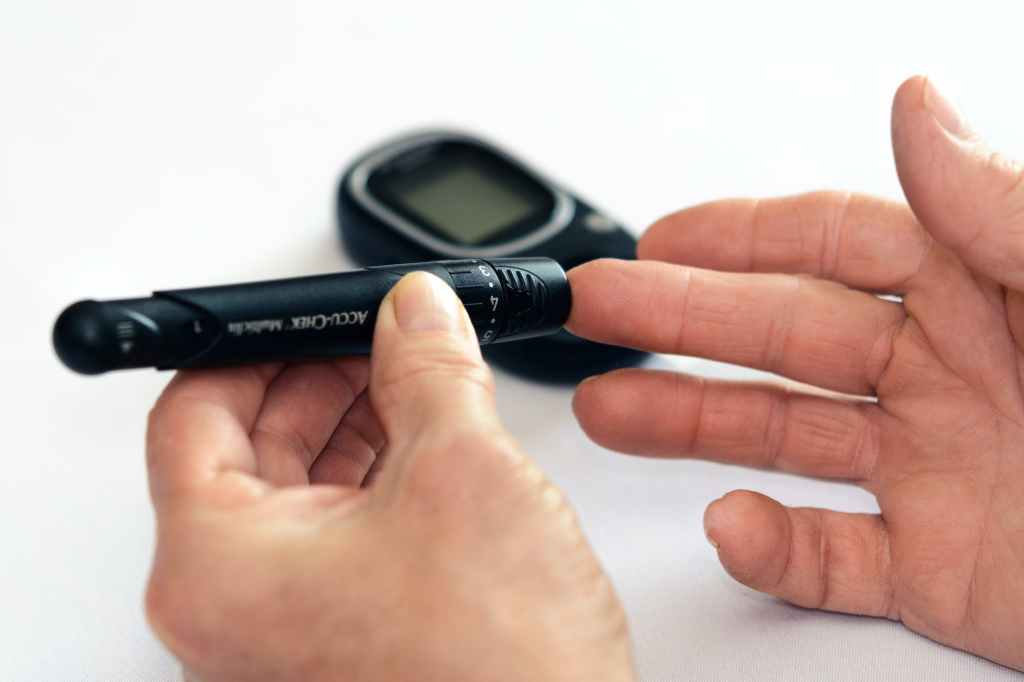
Diabetes is a chronic medical condition that affects millions of people worldwide. It occurs when the body is unable to regulate blood sugar levels effectively, leading to various health complications. In this comprehensive article, we will delve into the causes of diabetes, the telltale signs to watch out for, and the different types of diabetes. Additionally, we will provide valuable insights and real-world information to help you understand this condition better.
1. How Diabetes is Caused
Diabetes develops when there is a disruption in the body’s ability to manage glucose, the primary source of energy. This disruption can be attributed to various factors:
a. Genetics:
Genetic predisposition plays a significant role in the development of diabetes. If you have a family history of diabetes, you may be at a higher risk.
b. Lifestyle Factors:
Sedentary lifestyles and poor dietary choices can contribute to the development of type 2 diabetes. Consuming excessive sugar, refined carbohydrates, and unhealthy fats can lead to insulin resistance.
c. Autoimmune Response:
Type 1 diabetes is an autoimmune disease in which the immune system mistakenly attacks and destroys insulin-producing beta cells in the pancreas.
d. Hormonal Changes:
Certain conditions like polycystic ovary syndrome (PCOS) and hormonal imbalances can increase the risk of diabetes.
2. Signs of Diabetes
Recognizing the signs of diabetes is crucial for early diagnosis and management. Common symptoms include:
a. Excessive Thirst and Urination:
Frequent urination and an unquenchable thirst are classic signs of diabetes, as high blood sugar levels lead to increased fluid intake and urination.
b. Fatigue:
High or low blood sugar levels can cause fatigue, as the body’s cells are not receiving the energy they need.
c. Unexplained Weight Changes:
Sudden weight loss in type 1 diabetes and unexplained weight gain in type 2 can be indicative of the condition.
d. Blurry Vision:
High blood sugar levels can affect the eyes and lead to blurred vision.
e. Slow Wound Healing:
Diabetes can impair the body’s ability to heal wounds, making even minor injuries more problematic.
f. Numbness and Tingling:
Peripheral neuropathy is a common complication, causing numbness and tingling in the extremities.
3. Types of Diabetes
Diabetes is not a one-size-fits-all condition. There are primarily three types:
a. Type 1 Diabetes:
This is an autoimmune disease where the body’s immune system destroys insulin-producing cells in the pancreas. Individuals with type 1 diabetes require lifelong insulin therapy.
b. Type 2 Diabetes:
The most common form of diabetes, type 2, is often linked to lifestyle factors such as obesity, poor diet, and lack of exercise. It’s characterized by insulin resistance and impaired insulin production.
c. Gestational Diabetes:
Occurring during pregnancy, gestational diabetes can affect both the mother and the unborn baby. It usually resolves after childbirth, but it increases the risk of type 2 diabetes later in life.
4. Real Information about Diabetes
It’s essential to understand that diabetes is a manageable condition. With proper medical care, lifestyle changes, and support, people with diabetes can lead fulfilling lives. Real-world insights include:
a. Diabetes Management: Individuals with diabetes often manage their condition through a combination of insulin or other medications, diet, exercise, and blood sugar monitoring.
b. Dietary Guidelines: A balanced diet rich in whole grains, vegetables, lean proteins, and healthy fats is vital for diabetes management. Monitoring carbohydrate intake is also crucial.
c. Physical Activity: Regular exercise helps improve insulin sensitivity and can aid in maintaining healthy blood sugar levels.
d. Monitoring: Frequent blood sugar monitoring and periodic HbA1c tests are essential for tracking progress and making necessary adjustments.
e. Complications: Long-term uncontrolled diabetes can lead to complications such as heart disease, kidney problems, nerve damage, and eye issues. Regular medical check-ups are necessary.
Diabetes is a complex condition with various causes, signs, and types. Understanding its intricacies and seeking early diagnosis is pivotal for effective management. Whether you or a loved one is affected by diabetes, the right information, lifestyle choices, and medical guidance can help in leading a healthier and more fulfilling life. By staying informed and proactive, individuals with diabetes can minimize the risks of complications and enjoy a better quality of life.
Understanding Kidney Stones: Causes, Prevention, and Treatment
Kidney stones, a common ailment affecting millions of people worldwide, can bring about intense pain and discomfort. Understanding what kidney stones are, their causes, and how to prevent them is crucial for maintaining good kidney health. In this article, we will explore the world of kidney stones, discuss preventive measures, and delve into the various treatments available for this condition.
What Are Kidney Stones?
Kidney stones, also known as renal calculi, are solid, crystalline mineral deposits that form in the kidneys or urinary tract. They can vary in size, ranging from as small as a grain of sand to as large as a golf ball. These stones are primarily composed of calcium oxalate, but can also be made of other minerals such as uric acid or struvite.
Causes of Kidney Stones
Understanding the causes of kidney stones is vital for taking steps to prevent their formation. Several factors can contribute to the development of kidney stones:
1. **Dehydration:** Insufficient fluid intake can lead to concentrated urine, making it easier for minerals to crystallize and form stones.
2. **Diet:** A diet high in certain substances, like oxalate, sodium, and animal proteins, can increase the risk of kidney stone formation. Foods such as spinach, beets, and chocolate are rich in oxalate and should be consumed in moderation.
3. **Genetics:** A family history of kidney stones can make an individual more susceptible to developing them.
4. **Medical Conditions:** Certain medical conditions, such as hyperparathyroidism, gout, and urinary tract infections, can increase the likelihood of kidney stones.
5. **Obesity:** People who are overweight or obese have a higher risk of developing kidney stones.
**Preventing Kidney Stones**
Kidney stones can be extremely painful, and preventing their formation is always preferable to treating them. Here are some effective preventive measures:
1. **Stay Hydrated:** Adequate hydration is key to diluting urine and preventing the crystallization of minerals. Drinking plenty of water is crucial, especially in hot weather or during physical activity.
2. **Dietary Adjustments:** Consider making dietary changes to reduce the risk of kidney stones. This may involve reducing the intake of oxalate-rich foods, sodium, and animal proteins. Consult with a healthcare professional or a nutritionist for personalized dietary advice.
3. **Control Underlying Medical Conditions:** If you have a medical condition that contributes to kidney stone formation, work closely with your healthcare provider to manage and control it effectively.
4. **Medications:** In some cases, your doctor may prescribe medications to help prevent the formation of certain types of kidney stones.
5. **Lifestyle Changes:** Maintain a healthy weight, as obesity can increase the risk of kidney stones. Regular physical activity and weight management are important.
6. **Calcium Intake:** Contrary to popular belief, consuming an adequate amount of calcium in your diet can help prevent kidney stones. Calcium supplements should be used under the guidance of a healthcare professional.
**Kidney Stone Treatments**
Despite taking preventive measures, kidney stones can still form. When they do, it’s essential to know about the available treatments:
1. **Watchful Waiting:** Small, asymptomatic stones can sometimes pass on their own without medical intervention. Your healthcare provider may recommend monitoring the stone’s progress while managing pain and hydration.
2. **Pain Management:** For individuals experiencing pain due to kidney stones, over-the-counter pain relievers or prescription medications may be recommended.
3. **Hydration:** Drinking plenty of water is essential during a kidney stone episode, as it can help flush out small stones or facilitate the passage of larger ones.
4. **Extracorporeal Shock Wave Lithotripsy (ESWL):** ESWL is a non-invasive procedure that uses shock waves to break the stones into smaller fragments, making them easier to pass through the urinary tract.
5. **Ureteroscopy:** In this procedure, a thin, flexible scope is used to locate and remove or fragment stones in the urinary tract. It is often done when ESWL is not effective.
6. **Surgical Removal:** In cases where stones are too large or cannot be removed through less invasive methods, surgery may be necessary. Procedures like percutaneous nephrolithotomy involve the removal of stones through a small incision.
7. **Medication:** Certain medications can help dissolve specific types of stones or inhibit their growth. The choice of medication depends on the stone’s composition.
8. **Lifestyle Changes:** After experiencing kidney stones, making long-term lifestyle changes, including dietary modifications and increased fluid intake, is essential to prevent their recurrence.
**Conclusion**
Kidney stones can be excruciating and are a common urological problem. Understanding the causes, preventive measures, and treatment options is essential for managing this condition effectively. By staying hydrated, making dietary adjustments, and seeking medical advice when necessary, you can reduce your risk of kidney stones and lead a healthier, stone-free life. If you do experience kidney stones, know that various treatments are available to alleviate your pain and discomfort. Always consult with a healthcare professional for personalized guidance and treatment options.
 Healthy tips