Introduction
Cholesterol has become a buzzword in the world of health and nutrition. Many of us have heard about “good” and “bad” cholesterol, but understanding the intricacies of this essential substance is crucial for maintaining overall health. In this comprehensive guide, we will explore what cholesterol is, what constitutes normal cholesterol levels, how to reduce cholesterol, and which foods can help lower it.
What Is Cholesterol?
Cholesterol is a waxy, fat-like substance that is found in every cell of the human body. It plays a vital role in the structure of cell membranes, the production of hormones, and the synthesis of vitamin D. Cholesterol is transported in the blood in the form of lipoproteins, primarily low-density lipoprotein (LDL) and high-density lipoprotein (HDL).
LDL cholesterol, often referred to as “bad” cholesterol, can accumulate in the arteries, forming plaque. This buildup can restrict blood flow and increase the risk of heart disease and stroke. On the other hand, HDL cholesterol, often called “good” cholesterol, helps remove excess cholesterol from the bloodstream and transports it to the liver for excretion.
Normal Cholesterol Levels
To maintain good health, it is essential to understand what constitutes normal cholesterol levels. Cholesterol levels are typically measured in milligrams per deciliter (mg/dL) of blood. The ideal cholesterol levels can vary based on an individual’s risk factors and overall health, but here are the general guidelines:
1. Total Cholesterol:
A total cholesterol level below 200 mg/dL is considered optimal. Levels between 200 and 239 mg/dL are borderline high, and levels above 240 mg/dL are considered high.
2. LDL Cholesterol:
LDL cholesterol levels should ideally be below 100 mg/dL. Between 100 and 129 mg/dL is considered near-optimal, 130-159 mg/dL is borderline high, and 160 mg/dL and above is high.
3. HDL Cholesterol
: Higher levels of HDL cholesterol are better. An HDL level of 60 mg/dL or higher is considered protective against heart disease, while levels below 40 mg/dL are considered low and increase the risk.
4. Triglycerides:
Triglycerides are another type of fat found in the blood. A normal triglyceride level is less than 150 mg/dL.
Keep in mind that these values are general guidelines and may need to be adjusted based on your individual health profile, family history, and any pre-existing medical conditions.
How to Reduce Cholesterol
Lowering cholesterol levels, especially LDL cholesterol, is essential for reducing the risk of heart disease and maintaining good health. Here are several strategies to help reduce cholesterol:
1. Dietary Changes
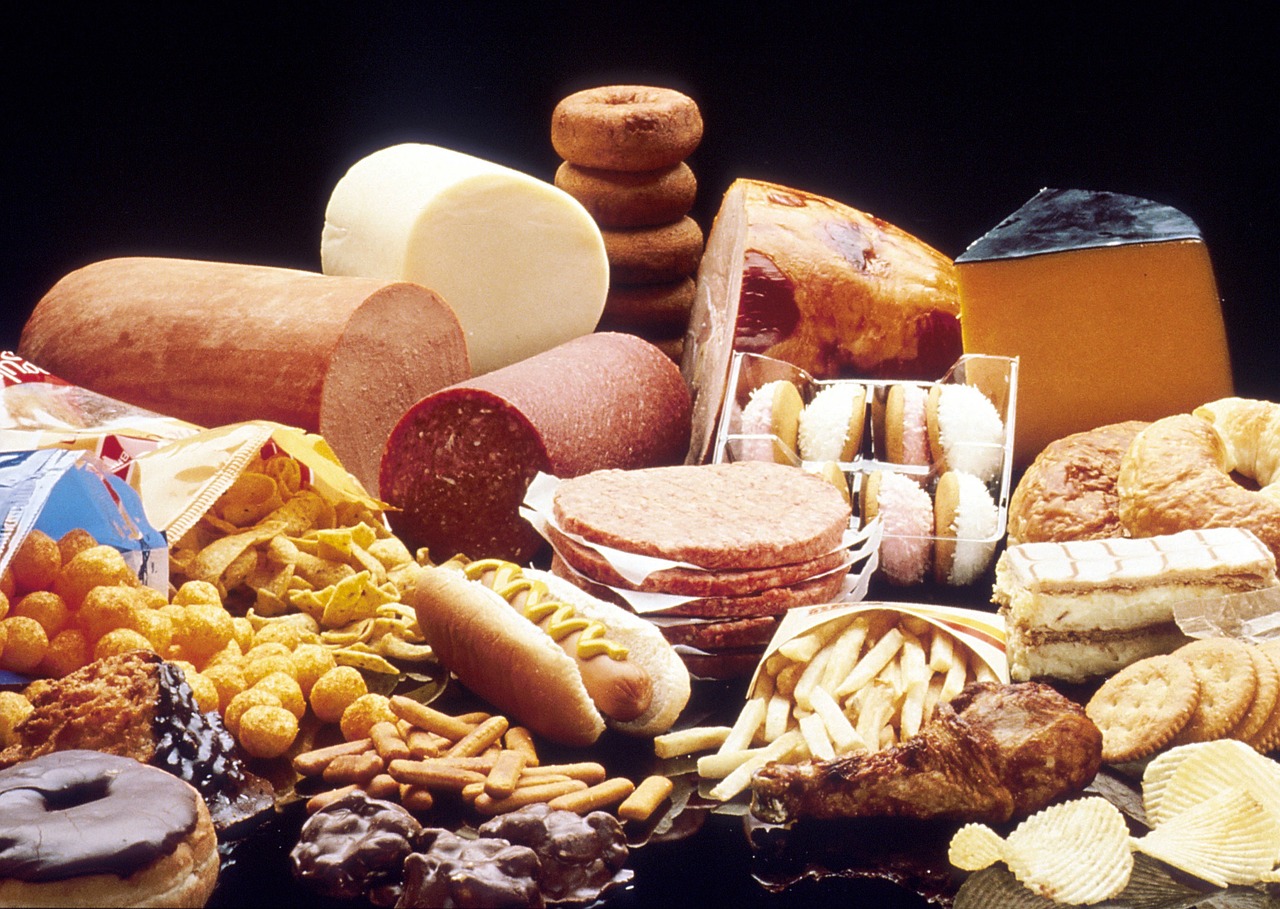
: The food you eat has a significant impact on your cholesterol levels. Opt for a heart-healthy diet rich in fruits, vegetables, whole grains, and lean protein sources. Reduce saturated fats found in red meat, full-fat dairy products, and trans fats in processed foods.
2. Exercise Regularly:
Engaging in physical activity can increase HDL cholesterol levels and help lower LDL cholesterol. Aim for at least 150 minutes of moderate-intensity exercise per week.
3. Lose Weight:
If you’re overweight, losing even a modest amount of weight can significantly lower cholesterol levels.
4. Quit Smoking:
Smoking damages blood vessels and lowers HDL cholesterol. Quitting smoking can have a positive impact on your cholesterol and overall health.
5. Limit Alcohol Intake:
Drinking in moderation may have a beneficial effect on heart health. However, excessive alcohol consumption can increase triglyceride levels and contribute to high cholesterol.
6. Medication:
In some cases, medication may be prescribed by a healthcare professional to manage high cholesterol. Statins are commonly used to lower LDL cholesterol, while other medications may target different aspects of cholesterol metabolism.
Foods that Lower Cholesterol
Choosing the right foods can have a substantial impact on your cholesterol levels. Here are some foods that can help lower cholesterol:
1. Oats and Whole Grains:
Oats are rich in soluble fiber, which can reduce LDL cholesterol levels. Incorporate whole grains like barley and quinoa into your diet as well.
2. Fruits and Vegetables:
These foods are high in fiber, antioxidants, and plant sterols that can help lower cholesterol. Apples, grapes, eggplants, and okra are particularly beneficial.
3. Nuts:
Almonds, walnuts, and other nuts are high in healthy fats and can lower LDL cholesterol when consumed in moderation.
4. Fatty Fish:
Salmon, mackerel, and trout are rich in omega-3 fatty acids, which can reduce triglycerides and lower the risk of heart disease.
5. Legumes:
Beans, lentils, and chickpeas are excellent sources of soluble fiber and plant-based protein.
6. Olive Oil:
Extra virgin olive oil is a heart-healthy fat that can improve cholesterol levels.
7. Sterol-Fortified Foods:
Some products, like margarine and orange juice, are fortified with plant sterols or stanols, which can reduce LDL cholesterol.
8. Tea:
Green and black teas contain antioxidants called catechins that may help lower cholesterol.
9. Garlic:
This culinary staple has been associated with modest cholesterol-lowering effects.
10. Dark Chocolate:
Dark chocolate with a high cocoa content (70% or more) can improve heart health when consumed in moderation.
**What ChatGPT Knows About Cholesterol**
ChatGPT, the AI model providing this information, has been trained on a vast amount of text data up until September 2021. This means it can provide detailed and accurate information about cholesterol, its functions, risk factors, and management. However, it’s essential to remember that while ChatGPT can offer valuable insights and guidance, it is not a substitute for personalized medical advice from a healthcare professional.
In conclusion, understanding cholesterol, maintaining healthy cholesterol levels, and making informed dietary choices are crucial for overall well-being. By incorporating a balanced diet, regular exercise, and other lifestyle changes, you can effectively manage your cholesterol and reduce the risk of heart disease, ensuring a healthier and longer life.
A Comprehensive Guide to Cholesterol: Foods that Lower Cholesterol, Reducing Cholesterol, Normal Levels, and More
 Healthy tips